Circulation · Lipid metabolism · Diabetes

Understand circulation.Recognise risks.Treat with precision.

Private medical diagnostics and individual treatment for circulatory disorders and lipid metabolism – with measurable follow-up.

Private medical diagnostics and individual treatment for circulatory and lipid metabolism disorders.

Book an appointment
Prevention & risk factors
Duplex ultrasound, ultrasound & laboratory tests
Follow-up after approximately three months
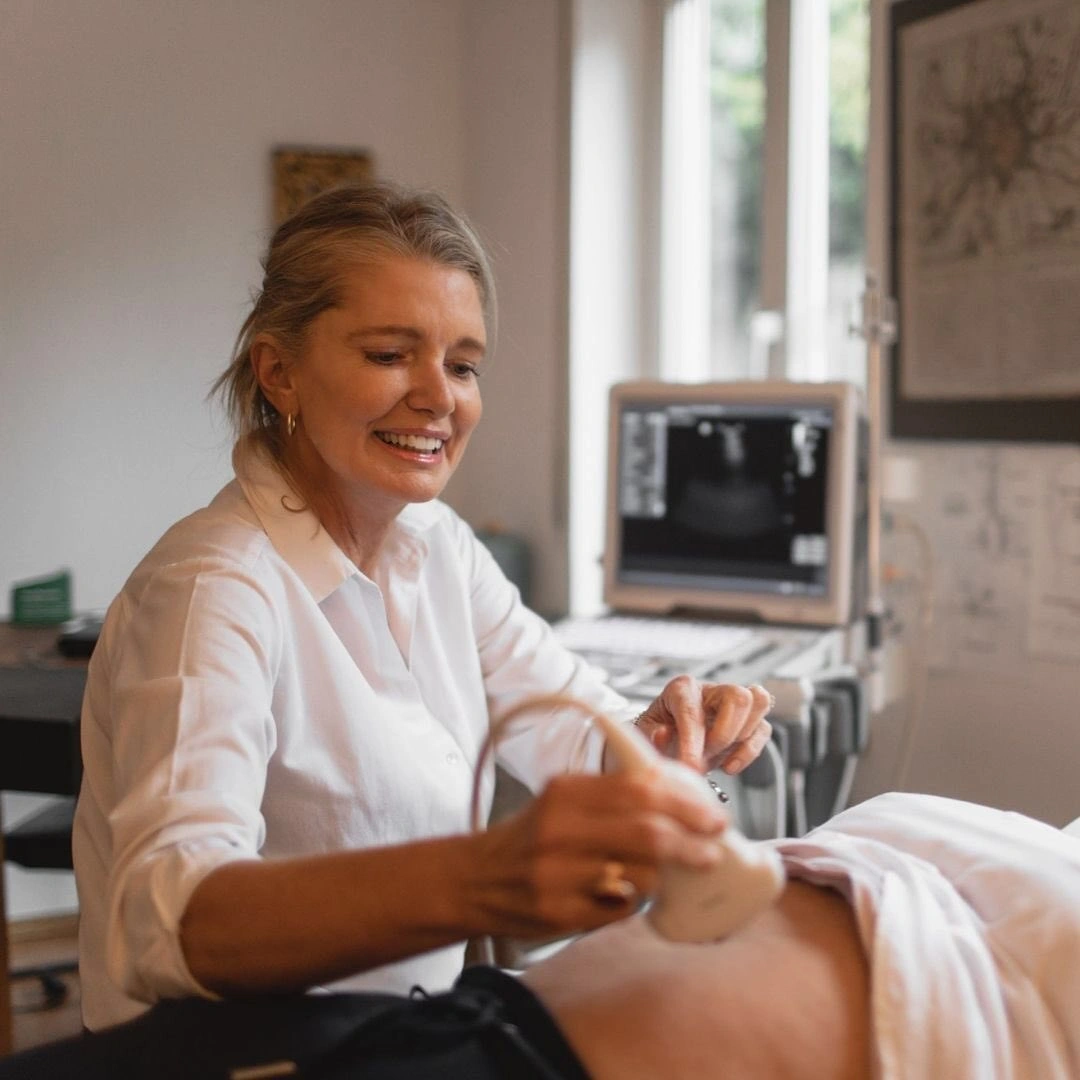
Physician performing an ultrasound examination at the clinic
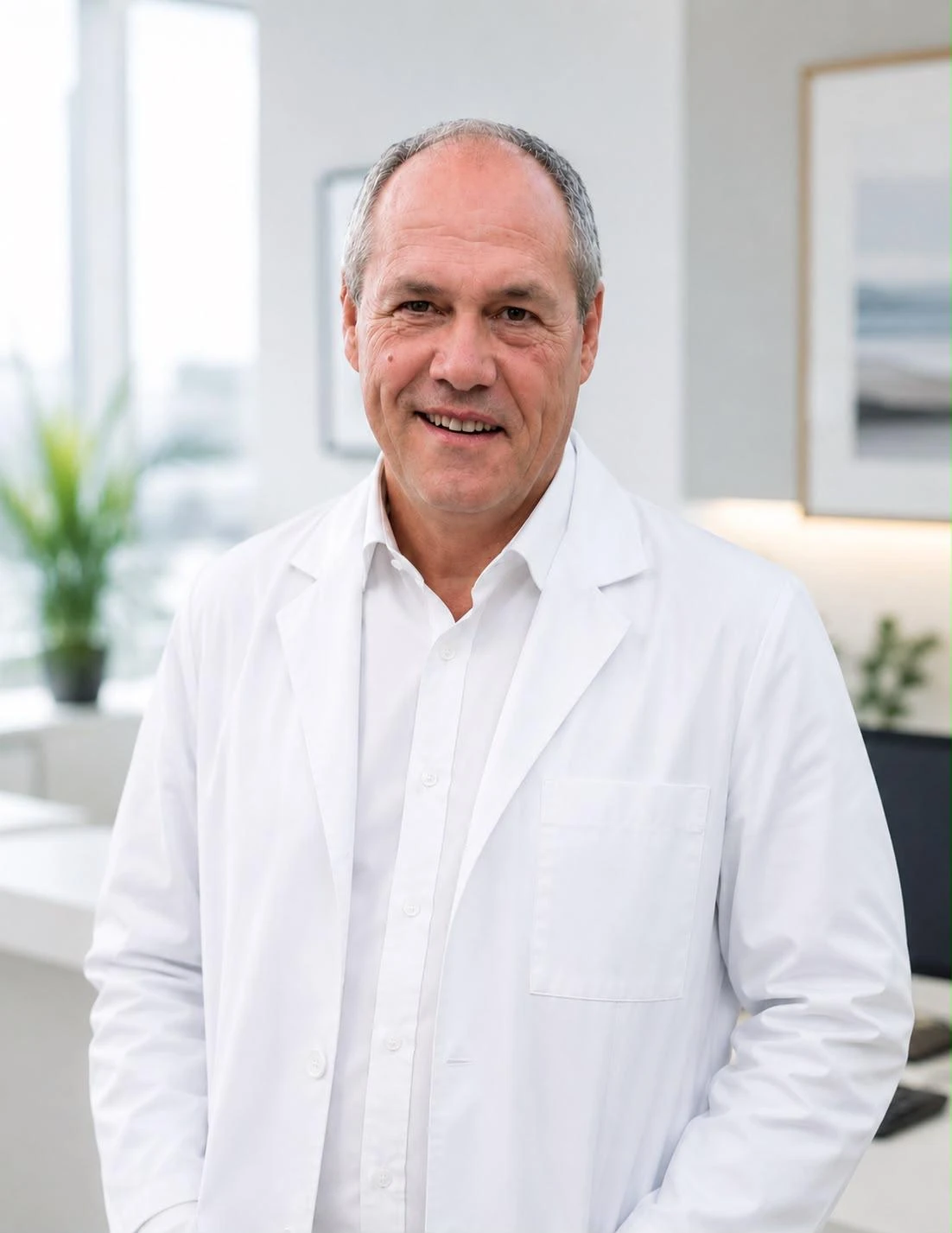
Physician at the Herz und Hirn Clinic
Prevention & risk factors
Duplex ultrasound, ultrasound & laboratory tests
Follow-up after approximately three months

Your concerns

When is our clinic right for you?

When circulation, metabolism, or family risks raise questions, looking at a single laboratory value is often not enough. We consider blood vessels, metabolism, and personal risk factors together.

Calm clinic room prepared for a medical consultation
  • Circulatory disorders / peripheral arterial disease
  • Abnormal blood lipids or lipid metabolism disorders
  • Family history of cardiovascular disease
  • Increased risk of stroke or vascular disease
  • Interest in informed prevention and vascular diagnostics
  • Poorly healing wounds or ulcers
  • Diabetes and impaired glucose metabolism
  • Monitoring existing vascular changes

Diagnostics

Medical baseline

Measure rather than assume.

The process begins with a thorough medical assessment: relevant laboratory values and duplex ultrasound of the blood vessels make the individual baseline visible. Further treatment is then tailored to these findings.

Assessment

Medical history & family risk

Diagnostics begin with a detailed assessment of the individual starting point—not only when the examination equipment is used.

  • Current symptoms and their progression
  • Pre-existing conditions, medication, and risk factors
  • Heart attack and stroke in the family
Laboratory

Interpreting values in context

Selected laboratory parameters help medically assess lipid metabolism, blood glucose, and other individual risk factors.

  • Blood lipids and lipid metabolism
  • Blood glucose-related values
  • Additional parameters based on the clinical question
Imaging

Duplex & ultrasound

Imaging procedures can be used to assess blood flow and vascular health within the overall medical context.

  • Duplex ultrasound of the blood vessels
  • Ultrasound-assisted examination
  • Medical interpretation of the findings
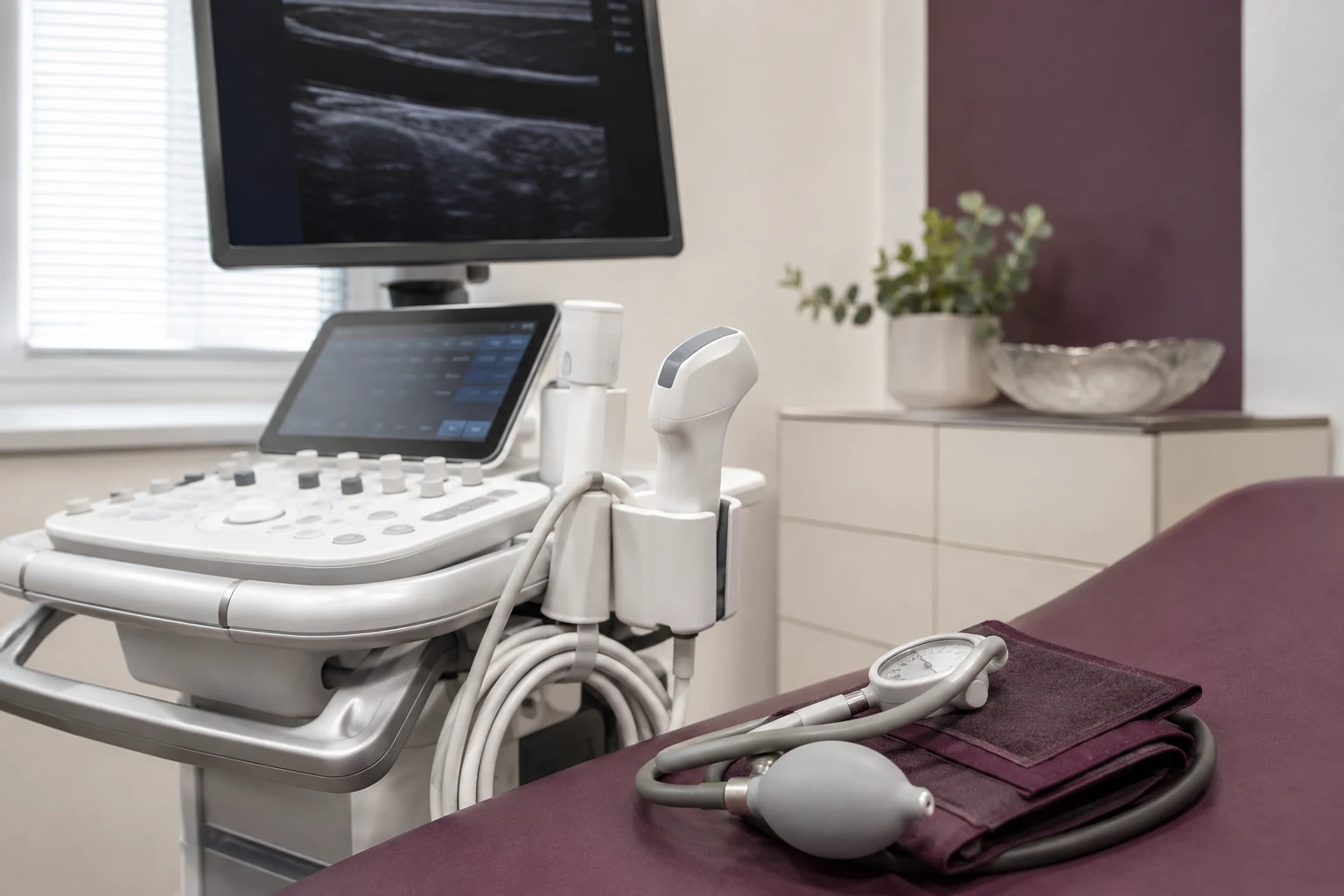
Ultrasound and blood pressure equipment prepared in an examination room
  1. Measure
  2. Interpret
  3. Treat
  4. Review
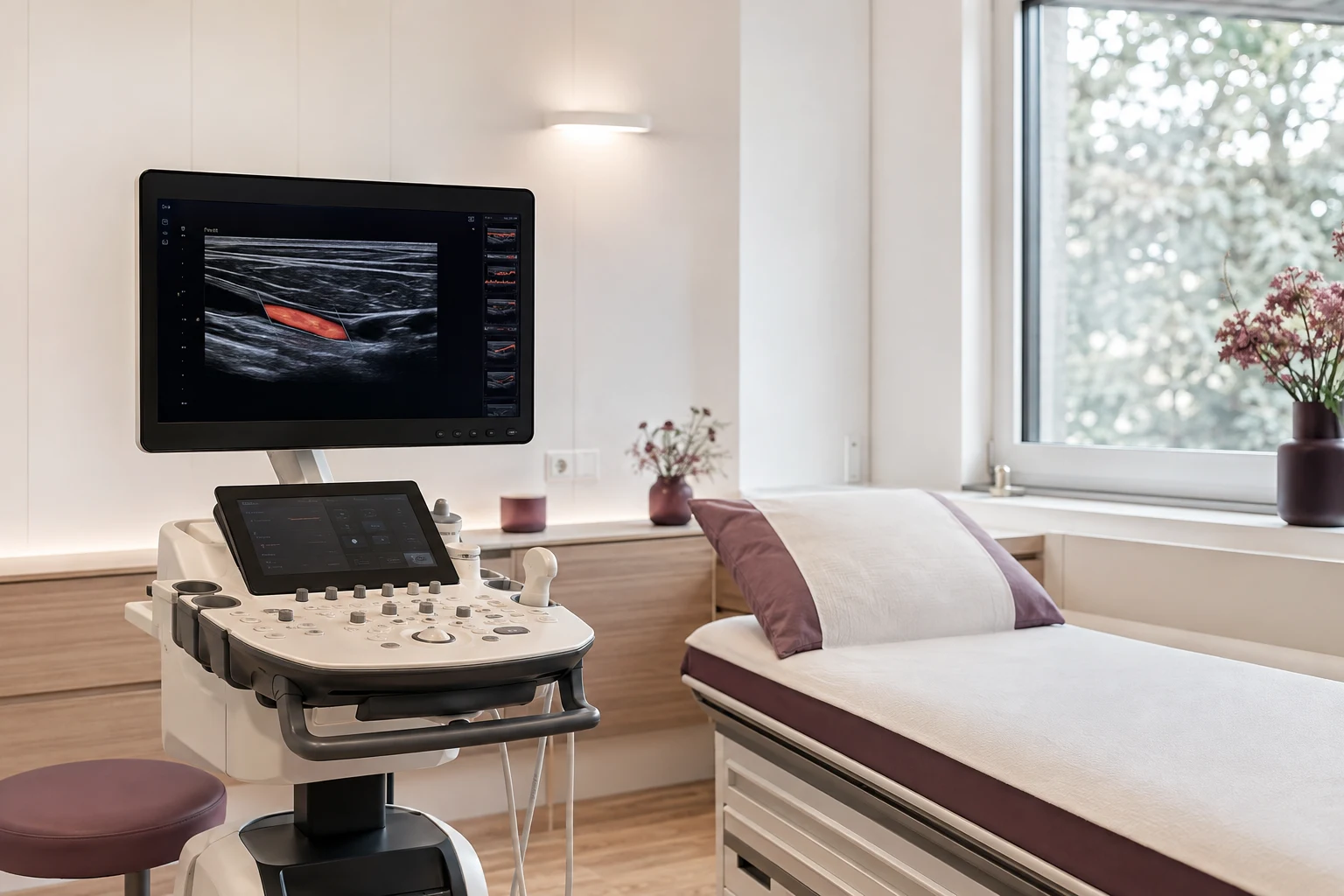
Modern ultrasound equipment in a medical examination room
Diagnostic equipmentTechnology provides measurements. Medical interpretation turns them into findings.

From findings to decisions

Diagnostics as a clear process.

Not every patient needs the same examinations. Their scope and sequence depend on symptoms, risk profile, and the clinical question.

Bring findings together

Symptoms, risks, measurements, and imaging together establish the medical baseline.

Interpret their significance

Medical assessment clarifies which findings are relevant to the individual situation.

Agree on the next steps

Together, we use this assessment to decide which measures are medically appropriate.

Plan follow-up

Baseline findings and a review date are documented to support comparison over time.

After approximately three months, repeating the same laboratory tests and duplex ultrasound can provide an objective comparison over time. The appropriate examinations for each individual are determined following the personal consultation.

Therapy

Individually selected.
Medically supervised.

Treat based on findings. Make progress measurable.

The findings determine the treatment – not the method.

Individual target values for blood pressure, blood lipids, and blood glucose are based on the medical baseline. Together, we decide which established and complementary treatment elements are appropriate and how progress should be monitored. Pharmaceutical medication is reduced only when medically appropriate and under medical supervision.

Dr Greta Kreuzer

We do not treat laboratory values. We treat people – but we measure what changes.

The guiding principle

No one-size-fits-all treatment.

The findings determine the direction.

Symptoms, risk profile, laboratory values, and vascular health are considered together. This forms a plan that is reviewed over time and reassessed where necessary. Under suitable conditions, vascular function and circulation may improve; changes are objectively documented using laboratory tests and duplex ultrasound.

Possible elements of individual treatment

The measures used depend on the findings, the individual starting point, and medical assessment.

Infusion

Individual infusion therapy

Composition, dosage, and treatment schedule are not standardised but selected according to medical history, findings, and medical assessment.

Indication · tolerability · progress
Treatment element

Phosphatidylcholine

Phosphatidylcholine may be used as part of an individual private medical treatment concept. Whether its use is medically appropriate is determined following diagnostics and a personal medical assessment.

No standard protocol · medically assessed
Complementary method

Individually tailored acupuncture

Depending on symptoms, treatment goals, and the overall situation, acupuncture may be added to and adjusted within the treatment plan.

Symptom-specific · personally tailored
Targeted supplementation

Amino acids, plant & mushroom substances

Amino acids and selected plant- and mushroom-derived substances may be considered as part of an individual treatment concept. Whether their use is appropriate is determined following diagnostics and a personal medical assessment.

Based on findings · no blanket recommendation

Follow-up

What we treat, we also want to review.

Baseline findings are documented and – where medically appropriate – reassessed after a defined period. This helps determine whether a measure should be continued, adjusted, or stopped.

Document the baseline. Coordinate measures. Compare progress.

Baseline

Medical history, laboratory tests, and vascular diagnostics form the medical basis.

Treatment plan

Appropriate elements are selected and coordinated.

Implementation

Application and frequency are tailored to the individual situation.

Follow-up

Findings are reassessed and compared at the agreed time.

The procedures described are not equally suitable for everyone. Indications, contraindications, sequence, and monitoring intervals are determined individually by a physician. A specific treatment outcome cannot be guaranteed. Any changes to existing medication are made exclusively following medical assessment.

Herz und Hirn Clinic

Circulation & lipid metabolism

The findings point the way.

Heart attacks and strokes often develop over many years. The clinic therefore considers blood pressure, blood lipids, blood glucose, family history, and the blood vessels themselves—systematically assessed, medically interpreted, and monitored over time.

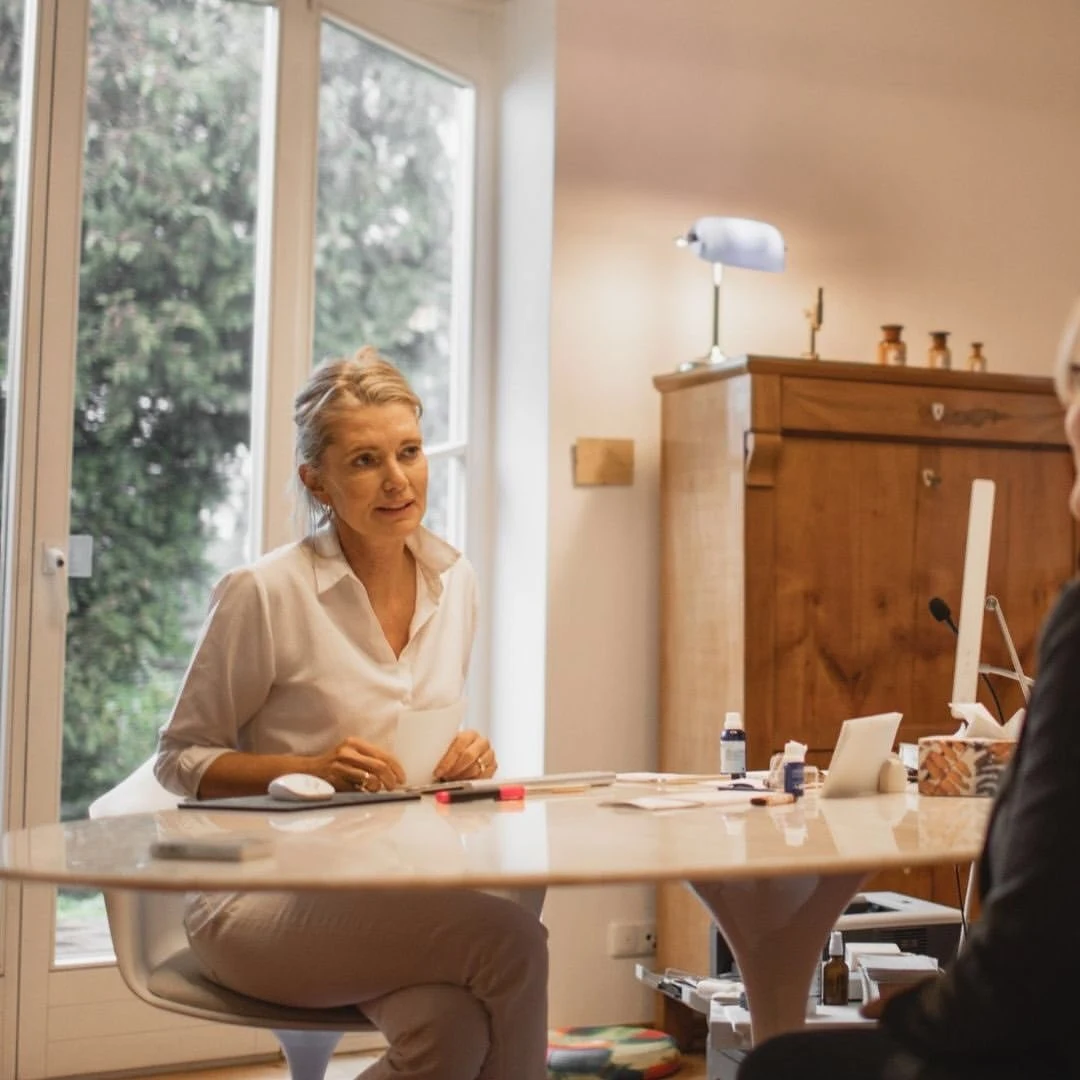
Physician consulting with a patient at the clinic
Personal medical historyListening before examining and deciding.

Assess. Interpret. Follow up.

Conventional medical diagnostics form the basis. Depending on the individual medical assessment, naturally occurring substances such as amino acids and selected plant- and mushroom-derived substances may also be considered. What matters is the documented development of laboratory values and vascular health.

Careful baseline assessment

Symptoms, pre-existing conditions, laboratory values, vascular findings, and family history are considered together.

Individual selection

The appropriate diagnostic and therapeutic elements are selected only after a personal medical assessment.

Documented progress

Laboratory values and vascular health are reassessed over time and compared with the documented baseline findings.

Follow-upThe initial situation is documented and reassessed after an agreed period—often approximately three months. This allows changes in values, circulation, and vascular health to be evaluated over time.

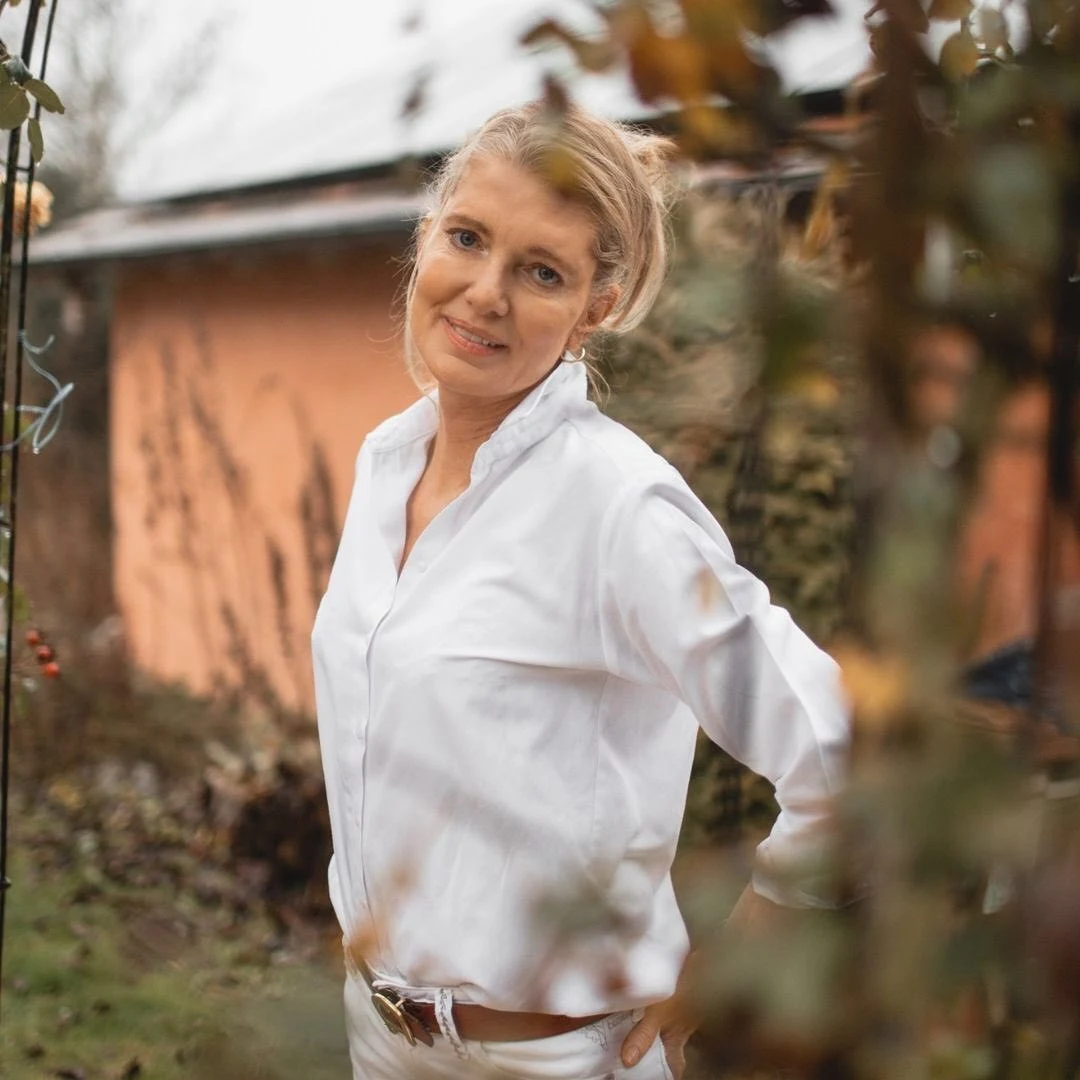
Portrait of the physician at the clinic
Medical careTime for your history, findings, and a clear explanation.

When the clinic takes a closer look

For people with symptoms—and those at increased risk.

The concept supports people in prevention, those with early risk factors, and those with existing vascular disease. The individual situation is also medically assessed after a heart attack or stroke, or in cases of chronic wounds caused by circulatory disorders. Improved circulation can support the healing of chronic wounds and ulcers.

Circulatory disorders affecting the head or legs
Elevated blood lipids and lipid metabolism disorders
Diabetes and abnormal blood glucose levels
Family history of heart attack or stroke
Chronic wounds, ulcers, and impaired wound healing associated with circulatory problems
Previously diagnosed vascular changes
About us

Medical experience · Nieder-Olm

Medical experience, personally applied.

At the Herz und Hirn Clinic, Dr. med. Greta Kreuzer combines her experience in general practice, diabetology, and acupuncture with careful, individual care.

Dr. med. Greta Kreuzer at the clinic
Clinic directorDr. med. Greta Kreuzer

Specialist in General Practice · Medical psychotherapist

Professional background

Your starting point determines your treatment.

After studying medicine at Johannes Gutenberg University Mainz, Greta Kreuzer completed specialist training in general practice and qualified as a medical psychotherapist. She has run her specialist clinic in Nieder-Olm since 2016.

  • Specialist in General Practice
  • Medical psychotherapist
  • Additional qualification in diabetology
  • Acupuncture: A and B diplomas
  • Neural therapy according to Huneke

Every consultation and treatment is guided by the individual medical situation and the specific clinical question.

Professional career

Experience that brings together different medical perspectives.

1992–2001

Medical studies & licence to practise

Studied medicine at Johannes Gutenberg University Mainz; licensed to practise medicine since 2001.

1999–2004

Specialist training

Specialist training in general practice and qualification as a medical psychotherapist.

2004–2016

General practice & psychotherapy

Worked in a joint general practice in Koblenz, followed by her own specialist psychotherapy practice in Mendig.

Since 2016

Specialist clinic in Nieder-Olm

Independent medical and psychotherapeutic practice with ongoing training in diabetology, acupuncture, and other methods.

Contact

Personally available.
Appointments by arrangement.

Your direct route to the clinic.

Please call the clinic to request an appointment. There is no automated booking system—appointments are arranged personally.